Second Chance Logo Funny Body Count Quotes
| Human Being | |
 | Όντας δε θνητούς θνητά και φρονείν χρεών. As mortals we should behave as mortals. — ‐Alcestis ★ 53 likes |
 | Πάντων χρημάτων μέτρον έστιν άνθρωπος. Man is the measure of all things. — Protagoras, 487-412 BC, Ancient Greek sophist ★ 38 likes |
 | Σκιάς όναρ άνθρωπος. Man is the dream of a shadow. — Pindar, 522-438 BC, Ancient Greek lyric poet ★ 36 likes |
 | Ουκ ένι ιατρικήν είδέναι, όστις μη οίδεν ό τι εστίν άνθρωπος. It is not possible to know medicine without knowing what a human is. — Hippocrates, 460-370 BC, Ancient Greek physician, the "Father of Medicine" ★ 29 likes |
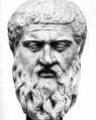 | Άνθρωπος: ο αναθρών ά όπωπε. Man: one who thinks of what he sees. — Plato, 427-347 BC, Ancient Greek philosopher ★ 28 likes |
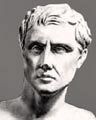 | Ως χαρίεν εστ' άνθρωπος αν άνθρωπος ή. What a wonderful being is the man if he is a man. — Menander, 4th cent. BC, Ancient Greek dramatist (New Comedy) ★ 25 likes |
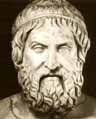 | Πολλά τα δεινά κουδέν ανθρώπου δεινότερον πέλει. There are many evils and there is no worse evil than man. — Sophocles, 496-406 BC, Ancient tragic poet ‐Antigone ★ 25 likes |
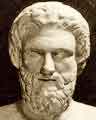 | Δολερόν μεν αεί κατά πάντα δη τρόπον πέφυκεν άνθρωπος. Man is naturally deceitful ever, in every way! — Aristophanes, 445-386 BC, Ancient Greek comic playwright ‐Birds ★ 19 likes |
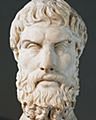 | Άπαξ άνθρωποι γεγόναμεν, δις δε ουκ έστι γενέσθαι. We became men once and one cannot become twice. — Epicurus, 341-270 BC, Ancient Greek philosopher ★ 16 likes |
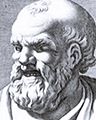 | Τω ανθρώπω μικρώ κόσμω όντι. Man is a microcosm. — Democritus, 470-370 BC, Ancient Greek philosopher ★ 13 likes |
| World | |
| | Εκ λόγου άλλος εκβαίνει λόγος. One word brings another. — Euripides, 480-406 BC, Ancient Greek tragedian ‐Trojan Women ★ 48 likes |
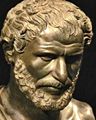 | Κόσμον τονδε, τον αυτόν απάντων, ούτε τις θεών ούτε ανθρώπων εποίησεν, αλλ' ην αεί και έστιν και έστε πύρ αείζωον. This world, which is the same for all, has not been made by any god or man, but it always has been, is, and will be an ever-living fire. — Heraclitus, 544-484 BC, Ancient Greek philosopher ★ 37 likes |
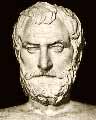 | Κάλλιστον κόσμος, ποίημα γαρ θεού. The world is wonderful, because it is a creation of God. — Thales of Miletus, 643-548 BC, Ancient Greek philosopher ★ 37 likes |
| | Ο κόσμος αλλοίωσις, ο βίος υπόληψις. World is decay, life is perception. — Democritus, 470-370 BC, Ancient Greek philosopher (quoted by Marcus Aurelius in "Τα εις εαυτόν") ★ 36 likes |
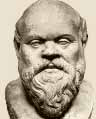 | Ερωτηθείς εί σφαιροειδής εστιν ο κόσμος, έφη: «ουχ υπερέκυψα». When asked if the shape of the world is a sphere, Socrates replied: "I didn't bend so much." — Socrates, 469-399 BC, Ancient Geek Philosopher ★ 18 likes |
| | Απείρους τε είναι κόσμους και γενητούς και φθαρτούς. There are countless worlds both born and perishable. — Democritus, 470-370 BC, Ancient Greek philosopher ★ 12 likes |
| | Μέγιστον τόπος. Άπαντα γαρ χωρεί. Place is the greatest thing, as it contains all things. — Thales of Miletus, 643-548 BC, Ancient Greek philosopher ★ 11 likes |
| Good & Evil | |
| | Εν μόνον αγαθόν είναι, την επιστήμην, και εν μόνον κακόν, την αμαθίαν. There is only one good, knowledge, and one evil, ignorance. — Socrates, 469-399 BC, Ancient Geek Philosopher ★ 63 likes |
 | Ουδέν κακόν αμιγές καλού. Nothing bad is without something good. — Ancient Greek phrase ★ 58 likes |
| | Πολλά τα δεινά κουδέν ανθρώπου δεινότερον πέλει. There are many evils and there is no worse evil than man. — Sophocles, 496-406 BC, Ancient tragic poet ‐Antigone ★ 25 likes |
| | Αγαθόν και κακόν ταυτόν. Good and evil are the same thing. — Heraclitus, 544-484 BC, Ancient Greek philosopher ★ 24 likes |
| | Ουκ αν γένοιτο χωρίς εσθλά και κακά, αλλ' έστι τις σύγκρασις, ώστ' έχειν καλώς. There cannot be good without evil, but in their mixture things may turn out well. — Euripides, 480-406 BC, Ancient Greek tragedian ‐Aeolus ★ 23 likes |
| | Ηδονήν, μέγιστον κακού δέλεαρ. Pleasure, a most mighty lure to evil. — Plato, 427-347 BC, Ancient Greek philosopher ★ 17 likes |
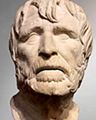 | Η δε κακή βουλή τω βουλεύσαντι κακίστη. The evil decision is most evil for him who takes it. — Hesiod, 7th cent. BC, Ancient Greek poet ‐Works and Days -266 ★ 14 likes |
| | Κακώ γαρ εσθλόν ού συμμείγνυται. The good can never mix with the evil. — Euripides, 480-406 BC, Ancient Greek tragedian ‐Ion ★ 6 likes |
| Life | |
| | Του βίου καθάπερ αγάλματος πάντα τα μέρη καλά είναι δει. Like in a statue, all parts of a life must be beautiful. — Socrates, 469-399 BC, Ancient Geek Philosopher ★ 46 likes |
| | Ζώμεν γαρ ού ως θέλομεν, αλλ' ως δυνάμεθα. We live, not as we wish to, but as we can. — Menander, 4th cent. BC, Ancient Greek dramatist (New Comedy) ★ 37 likes |
| | Ο βίος βραχύς, η δε τέχνη μακρή, ο δε καιρός οξύς, η δε πείρα σφαλερή, η δε κρίσις χαλεπή. Life is short and Art long; the opportunity fleeting, experience deceitful, and judgment difficult. — Hippocrates, 460-370 BC, Ancient Greek physician, the "Father of Medicine" (the first phrase in the "Aphorisms") ★ 35 likes |
| | O δε ανεξέταστος βίος ου βιωτός ανθρώπω. Life without enquiry is not worth living for a man. — Socrates, 469-399 BC, Ancient Geek Philosopher ★ 29 likes |
| | Βραχύς αιών. Life is short. — Euripides, 480-406 BC, Ancient Greek tragedian ‐Bacchae ★ 23 likes |
| | Βιοί γαρ ουδείς ον προαιρείται βίον. Nobody lives the life he chooses to live. — Menander, 4th cent. BC, Ancient Greek dramatist (New Comedy) ★ 23 likes |
| | Ως ηδύ το ζην μη φθονούσης της τύχης. How sweet is life when fortune is not envious. — Menander, 4th cent. BC, Ancient Greek dramatist (New Comedy) ★ 18 likes |
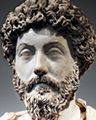 | Η βιωτική τῃ παλαιστικᾑ ομοιοτέρα ήπερ τῃ ορχηστικᾑ κατά το προς τα εμπίπτοντα και ού προεγνωσμένα έτοιμος και απτώς εστάναι. The art of life is more like the wrestler's art than the dancer's, in respect of this, that it should stand ready and firm to meet onsets which are sudden and unexpected. — Marcus Aurelius, 121-180 AD, Roman Emperor ‐Meditations VII, 61 ★ 12 likes |
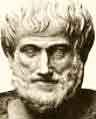 | Άπας ό βίος των ανθρώπων φύσει και νόμοις διοικείται. The human life is governed by nature and laws. — Aristotle, 384-322 BC, Ancient Greek philosopher ★ 11 likes |
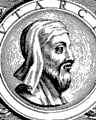 | Μέτρον βίου το καλόν ου το του χρόνου μήκος. The measure of life is its beauty not its length. — Plutarch, 47-120 AD, Ancient Greek historian ★ 8 likes |
| Death | |
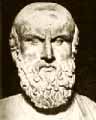 | Θάνατος των ανηκέστων κακών ιατρός. Death is the healer of incurable diseases. — Aeschylus, 525-456 BC, Ancient Greek tragedian ★ 31 likes |
| | Ον γαρ οι Θεοί φιλούσιν, αποθνήσκει νέος. He whom the gods love dies young. — Menander, 4th cent. BC, Ancient Greek dramatist (New Comedy) ★ 27 likes |
| | Πάσιν ημίν κατθανείν οφείλεται. Death is a debt which every one of us must pay. — Euripides, 480-406 BC, Ancient Greek tragedian ‐Alcestis ★ 22 likes |
| | Ο θάνατος ουδέν προς ημάς· το γαρ διαλυθέν αναισθητεί· το δ' αναισθητούν ουδέν προς ημάς. Death is nothing to us. Because something which is decomposed has no senses while something without senses is nothing to us. — Epicurus, 341-270 BC, Ancient Greek philosopher ★ 16 likes |
| | Κρείσσον γαρ εισάπαξ θανείν ή τας απάσας ημέρας πάσχειν κακώς. Better to die once and for all than to suffer pain for all my life. — Aeschylus, 525-456 BC, Ancient Greek tragedian ‐Prometheus Bound ★ 15 likes |
| | Ο θάνατος τυγχάνει ων, ως εμοί δοκεί, ουδέν άλλο ή δυοίν πραγμάτοιν διάλυσις, της ψυχής και του σώματος απ' αλλήλου. I think death is nothing more than the separation of two things from one another: soul and body. — Plato, 427-347 BC, Ancient Greek philosopher ★ 14 likes |
| | Το φρικωδέστατον ουν των κακών ο θάνατος ουθέν προς ημάς͵ επειδήπερ όταν μεν ημείς ώμεν͵ ο θάνατος ου πάρεστιν͵ όταν δε ο θάνατος παρῇ͵ τόθ΄ ημείς ουκ εσμέν. Death, therefore, the most awful of evils, is nothing to us, seeing that, when we are, death is not come, and when death is come, we are not. — Epicurus, 341-270 BC, Ancient Greek philosopher ★ 12 likes |
| | Θανάτου μόνον ουκ έστιν επανόρθωμα. Only in death there is no remedy. — Menander, 4th cent. BC, Ancient Greek dramatist (New Comedy) ★ 11 likes |
| | Ανοήμονες ζωής ορέγονται θάνατον δεδοικότες. Fools long for life because they fear death. — Democritus, 470-370 BC, Ancient Greek philosopher ★ 10 likes |
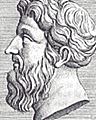 | Τον τεθνηκότα μη κακολογείν. Do not speak evil of the dead. — Chilon of Sparta, 6th cent. BC, one of the 7 sages of Ancient Greece ★ 9 likes |
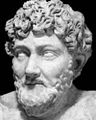 | Ευημερών μέμνησο και του θανάτου. In the good days remember also death. — Aesop, 620-560 BC, Ancient Greek fabulist ★ 8 likes |
| | Νέκυες κοπρίων εκβλητότεροι. Corpses are more useless than dung. — Heraclitus, 544-484 BC, Ancient Greek philosopher ★ 7 likes |
| | Ευκλεώς τοι κατθανείν χάρις βροτώ. Surely to die with glory is a blessing for the mortals. — Aeschylus, 525-456 BC, Ancient Greek tragedian ‐Agamemnon ★ 6 likes |
| | Κατθανών δε πας ανήρ γη και σκιά, το μηδέν εις ουδέν ρέπει. In death all men are earth and shadow. Naught come to naught. — Euripides, 480-406 BC, Ancient Greek tragedian ‐Meleager ★ 5 likes |
| | Κακώς ζην κρείσσον ή καλώς θανείν. Better a bad life than a good death. — Euripides, 480-406 BC, Ancient Greek tragedian ‐Iphigeneia at Aulis ★ 5 likes |
| | Ουδέν τον θάνατον διαφέρει του ζήν. Death is no different at all from life. — Thales of Miletus, 643-548 BC, Ancient Greek philosopher ★ 4 likes |
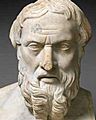 | Ούτω ο μεν θάνατος μοχθηρής εούσης της ζόης καταφυγή αιρετωτάτη τω ανθρώπω γέγονε. When life is so burdensome, death has become a sought after refuge. — Herodotus, 480-420 BC, Ancient Greek historian, the " father of History" ★ 3 likes |
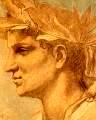 | Φαύλοι βροτών γαρ του πονείν ησσόμενοι θανείν ερώσιν. The base among mankind in order to avoid effort fall in love with death. — Agathon, 450-400 BC, Ancient Greek tragic poet ★ 2 likes |
| Afterlife | |
| | Αι ψυχαί οσμώνται καθ΄ Άιδην. The souls in the underworld smell. — Heraclitus, 544-484 BC, Ancient Greek philosopher ★ 14 likes |
| | Ως τοις θανούσι πλούτος ουδέν ωφελεί. For wealth is useless to the dead. — Aeschylus, 525-456 BC, Ancient Greek tragedian ‐Persians ★ 11 likes |
| | Ο δ' εύκολος μεν ενθάδ' εύκολος δ' εκεί. He was easy here, will be easy there. — Aristophanes, 445-386 BC, Ancient Greek comic playwright ‐Frogs (about the deceased Sophocles) ★ 4 likes |
| | Το ζην γαρ ίσμεν, του θανείν δ' απειρία πας τις φοβείται φως λιπείν τόδ' ήλιου. Life we know but as we don't have experience of the death, everybody is afraid to leave the light of this sun. — Euripides, 480-406 BC, Ancient Greek tragedian ‐Phoenix ★ 4 likes |
| | Έξω του κόσμου το αποθανόν ου πίπτει. What dies does not fall out of the world. — Marcus Aurelius, 121-180 AD, Roman Emperor ★ 3 likes |
| God | |
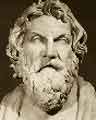 | Κατά νόμον είναι πολλούς Θεούς, κατά δε φύσιν ένα. According to law, there are many gods; according to nature, only one. — Antisthenes, 445-360 BC, Ancient Greek Cynic philosopher ★ 11 likes |
| | Θεός ουδαμή ουδαμώς άδικος. God is never, in no way unjust. — Plato, 427-347 BC, Ancient Greek philosopher ★ 9 likes |
| | Αεί ο θεός γεωμετρεί. God always geometrizes. — Plato, 427-347 BC, Ancient Greek philosopher ★ 8 likes |
| | Ανενδεής ο Θεός. God needs nothing. — Ancient Greek proverb ★ 8 likes |
| | Ει θεοί τι δρώσιν αισχρόν, ουκ εισίν θεοί. If gods do evil, they are not gods. — Euripides, 480-406 BC, Ancient Greek tragedian ‐Iphigeneia in Tauris ★ 7 likes |
| | Ως ουκ έστι Διός κλέψαι νόον ουδέ παρελθείν. It is not possible to deceive or ignore the will of Zeus. — Hesiod, 7th cent. BC, Ancient Greek poet ‐Theogony -613 ★ 7 likes |
| | Πρεσβύτατον των όντων θεός, αγένητον γαρ. God is the most ancient of all things, for he had no birth. — Thales of Miletus, 643-548 BC, Ancient Greek philosopher ★ 6 likes |
| | Τι το θείον; το μήτε αρχήν έχον μήτε τελευτήν. What's divine? That which has neither beginning nor end. — Thales of Miletus, 643-548 BC, Ancient Greek philosopher ★ 5 likes |
| | Δείται γαρ ο θεός, είπερ έστ' ορθώς θεός, ουδενός. A god, if he truly is a god, stands in need of nothing. — Euripides, 480-406 BC, Ancient Greek tragedian ‐Heracles ★ 5 likes |
| | Θεών όνειδος τους κακούς ευδαιμονείν. It's a shame to the gods that bad men prosper. — Menander, 4th cent. BC, Ancient Greek dramatist (New Comedy) ★ 5 likes |
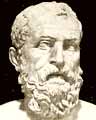 | Το Θείον φθονερόν και ταραχώδες. The gods are envious and mess things. — Solon, 630-560 BC, Ancient Greek lawmaker & philosopher ★ 4 likes |
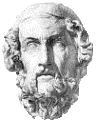 | Θεοὶ δε τε πάντα ίσασιν. Gods know all things. — Homer, c. 800-750 BC, Ancient Greek Poet ‐Odyssey IV ★ 4 likes |
| | Ως ουδέν ανθρώποισιν των θείων σαφές. Nothing is clear to men about the gods. — Euripides, 480-406 BC, Ancient Greek tragedian ‐Heracles ★ 4 likes |
| | Θεοί μεν γαρ εισίν. Εναργής γαρ αυτών εστιν η γνώσις. For the gods exist, since the knowledge about them is obvious. — Epicurus, 341-270 BC, Ancient Greek philosopher ★ 3 likes |
| | Πάντα πλήρη θεών είναι. All things are full of gods. — Thales of Miletus, 643-548 BC, Ancient Greek philosopher ★ 3 likes |
| | Πάντα ιδών Διός οφθαλμός και πάντα νοήσας. The eye of Zeus seeing all and understanding all. — Hesiod, 7th cent. BC, Ancient Greek poet ‐Works and Days -267 ★ 3 likes |
| | Ότι θεός ή μη θεός ή το μέσον τις φησ' ερευνάσας βροτών; What is god or what is not god or what is in between who among searching mortals can assert? — Euripides, 480-406 BC, Ancient Greek tragedian ‐Helen ★ 2 likes |
| | Ταύτα θεών εν γούνασι κείται. These things surely lie on the knees of the gods. — Homer, c. 800-750 BC, Ancient Greek Poet ‐Odyssey I ★ 1 likes |
| | Πάντες δὲ θεών χατέουσ' άνθρωποι. All men need the gods. — Homer, c. 800-750 BC, Ancient Greek Poet ‐Odyssey III ★ 1 likes |
| | Ζευς όστις ποτ' εστίν. Zeus whoever he may ever be. — Aeschylus, 525-456 BC, Ancient Greek tragedian ‐Agamemnon ★ 1 likes |
| Right & Wrong | |
| | Ει μη καθήκει, μη πράξης· ει μη αληθές εστι, μη είπης. If it's not right, don't do it; if it's not true, don't say it. — Marcus Aurelius, 121-180 AD, Roman Emperor ★ 31 likes |
| | Το δίκαιον ουκ άλλο τι ή του κρείττονος ξυμφέρον. The "right" is nothing more than what benefits the powerful. — Plato, 427-347 BC, Ancient Greek philosopher ★ 18 likes |
| | Μη δια φόβον, αλλά δια το δέον απέχεσθε αμαρτημάτων. Refrain from evil not out of fear, but because it is right. — Democritus, 470-370 BC, Ancient Greek philosopher ★ 15 likes |
| | Εις ευ φρονών μυρίων μη φρονούντων κρείττων εστί. One who thinks right is better than myriads who think wrong. — Plato, 427-347 BC, Ancient Greek philosopher ★ 9 likes |
| | Αδικεί πολλάκις ο μη ποιών τι, ου μόνον ο ποιών τι. A wrongdoer is often a man who has left something undone, not always one who has done something. — Marcus Aurelius, 121-180 AD, Roman Emperor ‐Meditations IX, 5 ★ 6 likes |
| The Truth | |
| | Ετεή δε ουδέν ίδμεν. Εν βυθώ γαρ η αλήθεια. We know nothing for sure. Because the truth is hidden in the deep. — Democritus, 470-370 BC, Ancient Greek philosopher ★ 16 likes |
| | Απλά γαρ εστι της αληθείας έπη. The words of the truth are simple. — Aeschylus, 525-456 BC, Ancient Greek tragedian ‐Award of the Arms ★ 9 likes |
 | Φίλος μεν Πλάτων, φιλτάτη δε αλήθεια. Plato is my friend but the truth is my best friend. — Antiphanes, 405-335 BC, Ancient comic poet ★ 9 likes |
| | Ζητώ γαρ την αλήθειαν υφ' ής ουδείς πώποτε εβλάβη. I seek the truth, by which no one ever was truly harmed. — Marcus Aurelius, 121-180 AD, Roman Emperor ‐Meditations VI, 21 ★ 4 likes |
| Transience | |
| | Τα πάντα ρει και ουδέν μένει. Everything flows, nothing stands still. — Heraclitus, 544-484 BC, Ancient Greek philosopher ★ 23 likes |
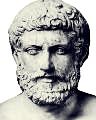 | Αι μεν ηδοναί φθαρταί, αι δε τιμαί αθάνατοι. Pleasures are transient, honors are immortal. — Periander of Corinth, 668-584 BC, tyrant of Corinth ★ 13 likes |
| | Ο κόσμος αλλοίωσις, ο βίος υπόληψις. The universe is change; our life is what our thoughts make it. — Marcus Aurelius, 121-180 AD, Roman Emperor ‐Meditations IV, 3 ★ 12 likes |
| | Τας μεταβολάς της τύχης γενναίως επίστασο φέρειν. Learn to bear bravely the changes of fortune. — Periander of Corinth, 668-584 BC, tyrant of Corinth ★ 10 likes |
| | Καιρών μεταβολήν πάντοτε χρη σε σκοπείν. Always keep in mind that things change. — Menander, 4th cent. BC, Ancient Greek dramatist (New Comedy) ★ 10 likes |
| | Μη ως μύρια μέλλων έτη ζην. Το χρεών επήρτηται. Έως ζης, έως έξεστιν, αγαθός γενού. Do not act as if you are going to live ten thousand years. The inevitable hangs over you. As long as you live, while it is in your power, be good. — Marcus Aurelius, 121-180 AD, Roman Emperor ‐Meditations IV, 16 ★ 7 likes |
| | Θνητών όλβιος εις το τέλος ουδείς. No mortal can be fortunate until his end. — Euripides, 480-406 BC, Ancient Greek tragedian ‐Iphigeneia at Aulis ★ 6 likes |
| | Την ανθρωπηίην ων επιστάμενος ευδαιμονίην ουδαμά εν τωυτώ μένουσαν. Knowing that human happiness never remains long in the same place. — Herodotus, 480-420 BC, Ancient Greek historian, the " father of History" ★ 5 likes |
| | Και σε γέρον το πριν μεν ακούομεν όλβιον είναι. And you, old man, we are told you prospered once. — Homer, c. 800-750 BC, Ancient Greek Poet ‐Iliad XXIV (Achilles to Priam) ★ 4 likes |
| | Άλλοτε μηρτυιή πέλει ημέρη, άλλοτε μήτηρ. Sometimes the day is a step mother, sometimes a mother. — Hesiod, 7th cent. BC, Ancient Greek poet ‐Works and Days -825 ★ 3 likes |
| | Βραχύβιον και ο επαινών και ο επαινούμενος και ο μνημονεύων και ο μνημονευόμενος. Short-lived are both the praiser and the praised, and rememberer and the remembered. — Marcus Aurelius, 121-180 AD, Roman Emperor ‐Meditations VIII, 21 ★ 2 likes |
| | Ο μέγας όλβος ού μόνιμος εν βροτοίς. The great happiness is not lasting among mortals. — Euripides, 480-406 BC, Ancient Greek tragedian ‐Orestes ★ 1 likes |
| | Φιλέει γαρ ο θεός τα υπερέχοντα πάντα κολούειν. God likes to bring low all things of surpassing greatness. — Herodotus, 480-420 BC, Ancient Greek historian, the " father of History" ★ 1 likes |
| Timing | |
| | Ως μέγα το μικρόν εστιν εν καιρώ δοθέν. How big is the little thing that was given at the right time. — Menander, 4th cent. BC, Ancient Greek dramatist (New Comedy) ★ 12 likes |
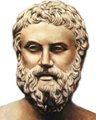 | Καιρόν γνώθι. Know the right time. — Pittacus of Mytilene, 650-570 BC, one of the 7 sages of Ancient Greece ★ 5 likes |
| | Ηδοναί άκαιροι τίκτουσιν αηδίας. Untimely pleasures produce aversion. — Democritus, 470-370 BC, Ancient Greek philosopher ★ 3 likes |
| | Μέτρα φυλάσσεσθαι· καιρός δ᾽ επί πάσιν άριστος. Observe due measure, for right timing is in all things the most important factor. — Hesiod, 7th cent. BC, Ancient Greek poet ‐Works and Days -694 ★ 3 likes |
| | Αποκρίνου εν καιρώ. Respond on time. — Periander of Corinth, 668-584 BC, tyrant of Corinth ★ 2 likes |
| | Έχει κίνδυνον η ακαιρία μέγαν. Wrong timing is very dangerous. — Plutarch, 47-120 AD, Ancient Greek historian ★ 2 likes |
| Time | |
| | Ο βίος βραχύς, η δε τέχνη μακρή, ο δε καιρός οξύς, η δε πείρα σφαλερή, η δε κρίσις χαλεπή. Life is short and Art long; the opportunity fleeting, experience deceitful, and judgment difficult. — Hippocrates, 460-370 BC, Ancient Greek physician, the "Father of Medicine" (the first phrase in the "Aphorisms") ★ 35 likes |
| | Πάντων των αναγκαίων κακών ιατρός χρόνος εστίν. Time is the healer of all inevitable ills. — Menander, 4th cent. BC, Ancient Greek dramatist (New Comedy) ★ 10 likes |
| | Χρόνος εστίν εν ώ καιρός, και καιρός εν ώ χρόνος ου πολύς. Time is that wherein there is opportunity, and opportunity is that wherein there is no great time — Hippocrates, 460-370 BC, Ancient Greek physician, the "Father of Medicine" ★ 9 likes |
| | Μη πίστευε χρόνω. Don't trust time. — Periander of Corinth, 668-584 BC, tyrant of Corinth ★ 8 likes |
| | Σοφώτατον χρόνος· ανευρίσκει γαρ πάντα. Time is the wisest of all things that are; for it brings everything to light. — Thales of Miletus, 643-548 BC, Ancient Greek philosopher ★ 6 likes |
| | Ο χρόνος άπαντα τοίσιν ύστερον φράσει. Λάλος γαρ ούτος ουκ ερωτώσιν λέγει. Time will explain it all. He is a talker, and needs no questioning before he speaks. — Euripides, 480-406 BC, Ancient Greek tragedian ‐Aeolus ★ 6 likes |
| | Χρόνος παις εστι παίζων πεττεύων. Παιδός η βασιλεία. Time is a child playing checkers; the kingdom belongs to a child. — Heraclitus, 544-484 BC, Ancient Greek philosopher ★ 5 likes |
| | Άγει δε προς φως την αλήθειαν χρόνος. Time leads truth toward the light. — Menander, 4th cent. BC, Ancient Greek dramatist (New Comedy) ★ 4 likes |
| | Χρόνου φείδου. Use time sparingly. — Chilon of Sparta, 6th cent. BC, one of the 7 sages of Ancient Greece ★ 4 likes |
| | Χρόνος καθαίρει πάντα γηράσκων ομού. Times purifies all things that age with time. — Aeschylus, 525-456 BC, Ancient Greek tragedian ‐Eumenides ★ 3 likes |
| | Εκδιδάσκει πάνθ' ο γηράσκων χρόνος. Time as he grows old teaches all things. — Aeschylus, 525-456 BC, Ancient Greek tragedian ‐Prometheus Bound ★ 3 likes |
| | Σοφόν λέγουσι τον χρόνον πεφυκέναι. They say that time is by nature wise. — Agathon, 450-400 BC, Ancient Greek tragic poet ★ 3 likes |
| | Πάντα εκκαλύπτων ο χρόνος εις το φως άγει. Time sees and hears all things, and discloses all. — Sophocles, 496-406 BC, Ancient tragic poet ★ 3 likes |
| | Χρόνος ο πάντων πρόγονος. Time is the ancestor of everything. — Pindar, 522-438 BC, Ancient Greek lyric poet ★ 2 likes |
 | Νόημα ή μέτρον τον χρόνον, ουχ υπόστασιν. Time is a measure or an idea, it does not exist. — Antiphon of Rhamnus, 470-410 BC, Ancient Athenian statesman ★ 1 likes |
| Future | |
| | Έσσετ' ήμαρ… The day will come… — Homer, c. 800-750 BC, Ancient Greek Poet ‐Iliad IV ★ 17 likes |
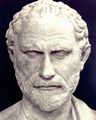 | Το μέλλον άδηλον πάσιν ανθρώποις και μικροί καιροί μεγάλων πραγμάτων αίτιοι γίγνονται. The future is hidden from all men and great events hang on small chances. — Demosthenes, 384-322 BC, Ancient Athenian & statesman orator ★ 11 likes |
| | Όρα το μέλλον. Keep sight of the future. — Periander of Corinth, 668-584 BC, tyrant of Corinth ★ 10 likes |
 | Δει καρτερείν επί τοις παρούσι και θαρρείν περί των μελλόντων. We should be patient in the present situation and have courage for the future. — Isokrates, 436-338 BC, Ancient Greek rhetorician ★ 9 likes |
 | Ει βούλει άλυπον βίον ζην, τα μέλλοντα συμβαίνειν ως ήδη συμβεβηκότα λογίζου. If you want to live a life without stress, consider whatever is going to happen in the future as if it has already happened — Epictetus, 50-120 AD, Ancient Greek Stoic philosopher ★ 7 likes |
| | Ευ σοι το μέλλον έξει, αν το παρόν ευ τιθής. Your future will be good, if you arrange well the present. — Isokrates, 436-338 BC, Ancient Greek rhetorician ★ 6 likes |
| Age | |
| | Αετού γήρας κορύδου νεότης. The old age of the eagle is the youth of the skylark. — Ancient Greek phrase ★ 7 likes |
| | Έργα νέων, βουλαί δε μέσων ευχαί δε γερόντων. Actions of the young, decisions of the middle-aged, wishes of the old. — Hesiod, 7th cent. BC, Ancient Greek poet ★ 6 likes |
| | Ισχύς και ευμορφίη νεότητος αγαθά, γήρατος δε σωφροσύνη άνθος. The good things in youth are strength and beauty, whilst good sense is the flower of old age. — Democritus, 470-370 BC, Ancient Greek philosopher ★ 4 likes |
| | Μήτε τριηκόντων ετέων μάλα πολλ᾽ απολείπων μητ᾽ επιθείς μάλα πολλά· γάμος δε τοι ώριος ούτος. Neither being far short of thirty years nor much above; this is the right time for marriage. — Hesiod, 7th cent. BC, Ancient Greek poet ‐Works and Days -695 ★ 2 likes |
| | Έργα μεν νεωτέρων, βουλαί δ' έχουσι των γεραιτέρων κράτος. The actions of the young and the decisions of the older worth more. — Euripides, 480-406 BC, Ancient Greek tragedian ‐Melanippe ★ 1 likes |
| Old Age | |
| | Ο γέρων νέος εγένετο, ο δε νέος άδηλον ει εις γήρας αφίξεται. The old man has been young, whilst it is unknown if the young man will reach old age. — Democritus, 470-370 BC, Ancient Greek philosopher ★ 12 likes |
| | Τίμα το γήρας, ου γαρ έρχεται μόνον. Respect old age, for it does not come alone. — Menander, 4th cent. BC, Ancient Greek dramatist (New Comedy) ★ 11 likes |
| | Γηράσκω δ' αεί πολλά διδασκόμενος. As I grow older, I constantly learn more. — Solon, 630-560 BC, Ancient Greek lawmaker & philosopher ★ 7 likes |
| | Γήρας και πενία δύο τραύματα δυσθεράπευτα. Old age and poverty, two wounds hard to heal. — Democritus, 470-370 BC, Ancient Greek philosopher ★ 6 likes |
| | Πικρόν νέα γυναικί πρεσβύτης ανήρ. It's bitter for a young woman an old husband. — Euripides, 480-406 BC, Ancient Greek tragedian ‐Phoenix ★ 4 likes |
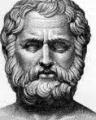 | Το γήρας όρμον είναι των κακών. Old age is a harbor for bad things. — Bias of Priene, 625-540 BC, one of the 7 sages of Ancient Greece ★ 3 likes |
| | Ως δις παίδες οι γέροντες! Old men are children twice. — Aristophanes, 445-386 BC, Ancient Greek comic playwright ‐Clouds ★ 1 likes |
| Haste & Delay | |
| | Επί δείπνα των φίλων βραδέως πορεύου, επί δε τας ατυχίας ταχέως. Don't rush when attending friends' dinners, but hasten to their misfortunes. — Chilon of Sparta, 6th cent. BC, one of the 7 sages of Ancient Greece ★ 8 likes |
| | Οι δε των πραγμάτων ού μένουσι καιροί την ημετέραν βραδύτητα και ειρωνείαν. The favorable conditions will not wait for our sluggishness and haughtiness . — Demosthenes, 384-322 BC, Ancient Athenian & statesman orator ★ 5 likes |
| | Η φύσις ουδέν ποιεί άλματα. Nature does not make leaps. — Aristotle, 384-322 BC, Ancient Greek philosopher ★ 4 likes |
| | Αγών ου μένει άνδρας λελειμμένους. The fight does not wait for those who delay. — Aeschylus, 525-456 BC, Ancient Greek tragedian ‐Glaucus of Pontus ★ 3 likes |
| | Eπειχθήναι μεν νυν παν πρήγμα τίκτει σφάλματα. Haste in every business brings failures. — Herodotus, 480-420 BC, Ancient Greek historian, the " father of History" ★ 2 likes |
| Ending | |
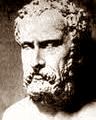 | Εκ γαίης γαρ πάντα και εις γην πάντα τελευτά. Everything comes from earth and everything ends in earth. — Xenophanes, 570-480 BC, Ancient Greek philosopher ★ 8 likes |
| | Μηδένα προ του τέλους μακάριζε. Count no man happy until the end is known. — Solon, 630-560 BC, Ancient Greek lawmaker & philosopher (to Croesus, king of Lydia) ★ 8 likes |
| | Θνητών όλβιος εις το τέλος ουδείς. No mortal can be fortunate until his end. — Euripides, 480-406 BC, Ancient Greek tragedian ‐Iphigeneia at Aulis ★ 6 likes |
| | Προς γαρ το τελευταίον εκβάν, έκαστον των πριν υπαρξάντων κρίνεται. Everything in the past is judged by the outcome of the last event. — Demosthenes, 384-322 BC, Ancient Athenian & statesman orator ★ 3 likes |
| Misunderstanding | |
| | Εγώ σκόροδα σοι λὲγω, συ δε κρόμμυα αποκρίνει. I talk to you about garlics and you respond about onions. — Ancient Greek phrase — Αρχαία παροιμιακή φράση |
| Learning | |
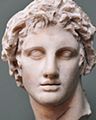 | Στους γονείς οφείλομεν το ζην, στους δε διδασκάλους το ευ ζην. We are indebted to our parents for living, but to our teachers for living well. — Alexander the Great, 356-323 BC, King of Macedon ★ 12 likes |
| | Μαθημάτων αναγκαιότατον τα κακά απομαθείν. The most necessary lesson is to unlearn all the wrong things. — Antisthenes, 445-360 BC, Ancient Greek Cynic philosopher ★ 10 likes |
| | Κρείττον οψιμαθή είναι ή αμαθή. Better be a late learner than an ignorant. — Socrates, 469-399 BC, Ancient Geek Philosopher (explaining why he was learning to play a musical instrument just before his execution) ★ 8 likes |
| | Γηράσκω δ' αεί πολλά διδασκόμενος. As I grow older, I constantly learn more. — Solon, 630-560 BC, Ancient Greek lawmaker & philosopher ★ 7 likes |
| | Μελέτη το παν. Practice is everything. — Periander of Corinth, 668-584 BC, tyrant of Corinth ★ 7 likes |
| | Πλείονες εξ ασκήσεως αγαθοί γίνονται ή από φύσεως. More men become good through practice than by nature. — Democritus, 470-370 BC, Ancient Greek philosopher ★ 6 likes |
| | Πάθει μάθος. Learning by suffering. — Aeschylus, 525-456 BC, Ancient Greek tragedian ‐Agamemnon ★ 6 likes |
| | Νηπίοισιν ου λόγος, αλλά ξυμφορή γίνεται διδάσκαλος. For the foolish, not reason but misfortune is the teacher. — Democritus, 470-370 BC, Ancient Greek philosopher ★ 4 likes |
| | Εις τελειότητα του ανθρώπου τρία δει συνδράμειν: φύσιν, μάθησιν και άσκησιν. Three things support the perfection of a man: character, learning and practice. — Plato, 427-347 BC, Ancient Greek philosopher ★ 4 likes |
| | Της παιδείας την μεν ρίζαν είναι πικράν τον δε καρπόν γλυκύν. The root of education is bitter, but its fruit is sweet. — Isokrates, 436-338 BC, Ancient Greek rhetorician ★ 4 likes |
| | Το αποδημείν εί αρίστη παιδεία. Traveling is the best education. — Ancient Greek proverb ★ 4 likes |
| | Παρθενικήν δε γαμείν, ως κ' ήθεα κεδνά διδάξης. Marry a virgin, so that you can teach her the right manners. — Hesiod, 7th cent. BC, Ancient Greek poet ‐Works and Days -699 ★ 3 likes |
| | Όμηρος την Ελλάδα επεπαιδεύκει. Homer has educated Greece. — Plato, 427-347 BC, Ancient Greek philosopher ★ 2 likes |
| | Τριών δει παιδεία: φύσεως, μαθήσεως, ασκήσεως. Education needs these three: natural endowment, study, practice. — Aristotle, 384-322 BC, Ancient Greek philosopher ★ 2 likes |
| | Νοείν, οράν, ξυνιέναι, στρέφειν έδραν, τεχνάζειν, κάχ' υποτοπείσθαι, περινοείν άπαντα. To think, to see, to understand, to show the arse, to trick, to suspect the worst, to question everything. — Aristophanes, 445-386 BC, Ancient Greek comic playwright ‐Frogs (what Euripides taught to Athenians, according to Aristophanes) ★ 2 likes |
| | Εάν ης φιλομαθής, έσει και πολυμαθής. If you are fond of learning, you will soon be full of learning. — Isokrates, 436-338 BC, Ancient Greek rhetorician ★ 2 likes |
| | Παιδεία ευτυχούσι μεν εστί κόσμος, ατυχούσι δε καταφύγιον. For those who prosper education is an ornament, for the unfortunate is a refuge. — Isokrates, 436-338 BC, Ancient Greek rhetorician ★ 2 likes |
| | Η παιδεία ευτυχούσι μεν εστι κόσμος, ατυχούσι δε καταφύγιον. Education is an ornament for the fortunate and a refuge for the unfortunate. — Democritus, 470-370 BC, Ancient Greek philosopher ★ 1 likes |
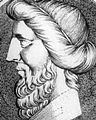 | Αν μη πηλόν τύψης, κέραμος ου γίνεται. If you do not hit the clay, you cannot make tile. — Archytas, 428-347 BC, Ancient philosopher & statesman ★ |
| Sleep | |
| | …Ύπνω και Θανάτω διδυμάοσιν. ...of Sleep and Death, who are twin brothers. — Homer, c. 800-750 BC, Ancient Greek Poet ‐Iliad XVI ★ 8 likes |
| | Ω φίλον ύπνου θέλγητρον, επίκουρον νόσου. O dearest charm of sleep, ally against sickness. — Euripides, 480-406 BC, Ancient Greek tragedian ‐Orestes ★ 6 likes |
| | Ύπνε άναξ πάντων τε θεών πάντων τ' ανθρώπων. Sleep, universal king of gods and men. — Homer, c. 800-750 BC, Ancient Greek Poet ‐Iliad XIV ★ 3 likes |
| | Ημερήσιοι ύπνοι σώματος όχλησιν ή ψυχής αδημοσύνην ή αργίην ή απαιδευσίην σημαίνουσι. Daytime sleep indicates a distressed body or a troubled mind or laziness or lack of education. — Democritus, 470-370 BC, Ancient Greek philosopher ★ 3 likes |
| | Ύπνος, αγρυπνίη, αμφότερα μάλλον του μετρίου γινόμενα, νούσος. Both sleep and sleeplessness, when immoderate, are bad. — Hippocrates, 460-370 BC, Ancient Greek physician, the "Father of Medicine" ★ |
| House | |
| | Ένδον μένουσαν την γυναίκα είναι χρεών εσθλήν, θύρασι δ' αξίαν του μηδενός. A woman should be good for everything at home, but, out of the door, good for nothing. — Euripides, 480-406 BC, Ancient Greek tragedian ‐Meleager |
| Beginning | |
| | Αρχή ήμισυ παντός. The beginning is half of everything. — Plato, 427-347 BC, Ancient Greek philosopher ★ 19 likes |
| | Ή τοι μεν πρώτιστα Χάος γένετο. In the beginning there was chaos. — Hesiod, 7th cent. BC, Ancient Greek poet ‐Theogony -116 ★ 14 likes |
| | Σμικρού γένοιτ' αν σπέρματος μέγας πυθμήν. A huge tree can tower from a tiny seed. — Aeschylus, 525-456 BC, Ancient Greek tragedian ‐Libation bearers ★ 12 likes |
| | Κακής απ' αρχής γίγνεται τέλος κακόν. A bad beginning makes a bad ending. — Euripides, 480-406 BC, Ancient Greek tragedian ‐Aeolus ★ 7 likes |
| Difference | |
| | Άριστος τρόπος του αμυνεσθαι το μη εξομοιούσθαι. The best defense is not to be like your enemy. — Marcus Aurelius, 121-180 AD, Roman Emperor ‐Meditations VI, 6 ★ 8 likes |
| | Άλλοις γαρ τ' άλλοισιν ανήρ επιτέρπεται έργοις. Each man delights in the work that suits him best. — Homer, c. 800-750 BC, Ancient Greek Poet ‐Odyssey XIV ★ 5 likes |
| | Ανθρώποις πάσι ταυτό αγαθόν και αληθές. Ηδύ δε άλλω άλλο. Goodness and truth are the same for all men. But what is pleasant is different from man to man. — Democritus, 470-370 BC, Ancient Greek philosopher ★ 2 likes |
| | Διάφοροι δε φύσεις βροτών, διάφοροι δε τρόποι. As the men's nature differ, so do their ways. — Euripides, 480-406 BC, Ancient Greek tragedian ‐Iphigeneia at Aulis ★ 2 likes |
| Injustice | |
| | Θεός ουδαμή ουδαμώς άδικος. God is never, in no way unjust. — Plato, 427-347 BC, Ancient Greek philosopher ★ 9 likes |
| | Ο αδικών του αδικουμένου κακοδαιμονέστερος. He who commits an act of injustice is in worse condition than he who suffers it. — Democritus, 470-370 BC, Ancient Greek philosopher ★ 5 likes |
| | Εν τη προαιρέσει η μοχθηρία και το αδικείν. Wickedness and injustice are intentional. — Aristotle, 384-322 BC, Ancient Greek philosopher ★ 5 likes |
| | Καλόν μεν τον αδικέοντα κωλύειν. Ει δε μη, μη ξυναδικέειν. It is good to prevent the man who does wrong. But if you cannot, do not join in wrongdoing. — Democritus, 470-370 BC, Ancient Greek philosopher ★ 2 likes |
| | Χρη μηκέθ' ηγείσθαι θεούς, ει τάδικ' έσται της δίκης υπέρτερα. We must no longer believe in the gods if injustice prevails over justice. — Euripides, 480-406 BC, Ancient Greek tragedian ‐Electra ★ 2 likes |
| | Των μεγάλων αδικημάτων μεγάλαι εισί και αι τιμωρίαι παρά των θεών. For great wrongdoing there are great punishments from the gods. — Herodotus, 480-420 BC, Ancient Greek historian, the " father of History" ★ 2 likes |
| Opposites | |
| | Ουκ αν γένοιτο χωρίς εσθλά και κακά, αλλ' έστι τις σύγκρασις, ώστ' έχειν καλώς. There cannot be good without evil, but in their mixture things may turn out well. — Euripides, 480-406 BC, Ancient Greek tragedian ‐Aeolus |
| | Τα ενάντια τοις εναντίοις εισίν ιάματα. The opposites are the cures of the opposites. — Hippocrates, 460-370 BC, Ancient Greek physician, the "Father of Medicine" |
| | Δούλοι γαρ και δεσπότης ουκ αν ποτέ γένοιντο φίλοι. Slaves and master could never be friends. — Plato, 427-347 BC, Ancient Greek philosopher |
| Futility | |
| | Σκιάς όναρ άνθρωπος. Man is the dream of a shadow. — Pindar, 522-438 BC, Ancient Greek lyric poet ★ 36 likes |
| | Ο κόσμος σκηνή, ο βίος πάροδος. Ήλθες, είδες, απήλθες. The world is a stage, life is a passage. You came, you saw, you departed. — Democritus, 470-370 BC, Ancient Greek philosopher ★ 24 likes |
| | Ψυχάριον εί, βαστάζον νεκρόν. You are a little soul, carrying a corpse. — Epictetus, 50-120 AD, Ancient Greek Stoic philosopher ★ 16 likes |
| | Εγγύς μεν η ση περί πάντων λήθη, εγγύς δε η πάντων περί σού λήθη. Soon, you will forget everything, and soon everybody will forget you. — Marcus Aurelius, 121-180 AD, Roman Emperor ‐Meditations VII, 21 ★ 9 likes |
| | Προς λέοντα δορκάς άπτεται μάχης. A deer picks up a fight with the lion. — Ancient Greek phrase ★ 6 likes |
| | Άπαντα τίκτει χθών πάλιν τε και λαμβάνειν. Earth breeds all and takes back all. — Euripides, 480-406 BC, Ancient Greek tragedian ‐Antioppe ★ 5 likes |
| | Κατθανών δε πας ανήρ γη και σκιά, το μηδέν εις ουδέν ρέπει. In death all men are earth and shadow. Naught come to naught. — Euripides, 480-406 BC, Ancient Greek tragedian ‐Meleager ★ 5 likes |
| | Μάθε ότι αι συμφοραί των ανθρώπων άρχουσι και ουχί άνθρωποι των συμφορέων. Circumstances rule men; men do not rule circumstances. — Herodotus, 480-420 BC, Ancient Greek historian, the " father of History" ★ 2 likes |
| Excess | |
| | Η άγαν ελευθερία έοικε εις άγαν δουλείαν μεταβάλλειν. It seems that excessive freedom leads to excessive enslavement. — Plato, 427-347 BC, Ancient Greek philosopher ‐Republic ★ 11 likes |
| | Πολυμαθίη νόον ου διδάσκει. Much learning does not teach the mind. — Heraclitus, 544-484 BC, Ancient Greek philosopher ★ 8 likes |
| | Ει τις υπερβάλλοι το μέτριον, τα επιτερπέστατα ατερπέστατα αν γίγνοιτο. When one exceeds the due measure, the most pleasurable things become the most unpleasant. — Democritus, 470-370 BC, Ancient Greek philosopher ★ 4 likes |
| | Μείζονες γαρ ορέξεις μείζονας ενδείας ποιεύουσιν. Excessive desires create excessive poverties. — Democritus, 470-370 BC, Ancient Greek philosopher ★ 3 likes |
| | Παν το πολύ τη φύσει πολέμιον. Everything in excess is opposed to nature. — Hippocrates, 460-370 BC, Ancient Greek physician, the "Father of Medicine" ★ 3 likes |
| | Έρωτες υπέρ μεν άγαν ελθόντες ουκ ευδοξίαν ουδ' αρετάν παρέδωκαν ανδράσιν. Excess of passion brings no glory or honor to men. — Euripides, 480-406 BC, Ancient Greek tragedian ‐Medea ★ 1 likes |
| | Το γαρ ηδύ, εάν πολύ, ου τι γε ηδύ. If the sweet is too much, it is no sweet any more. — Ancient Greek proverb ★ 1 likes |
Source: https://best-quotations.com/ancient-greek-quotes.php?page=1
0 Response to "Second Chance Logo Funny Body Count Quotes"
Enviar um comentário